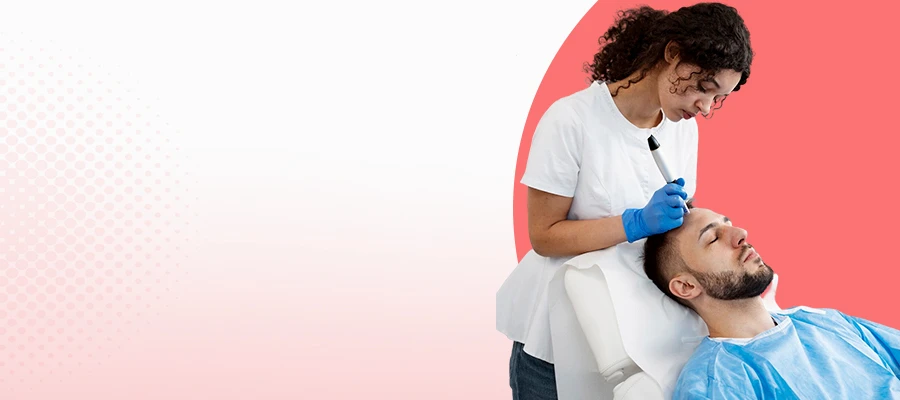
Fine lines creeping in where there were none before. Acne scarring which refuses to heal regardless of what you do. And skin which has lost its elasticity and looks tired and worn out. These are just some of those things which drive folks in search of solutions that work, not just another cream claiming miracles and delivering nothing in return.
How Microneedling Works
Micro-needles induce controlled injuries on your skin’s first layer. Then your skin reacts to the micro-injuries the same way it does for all other injuries by repairing them through increased production of collagen and elastin. Both of these are what give your skin elasticity and a youthful appearance.
This is a more intense treatment than the surface work done by chemical peels or microdermabrasion. They are only effective on the upper layers of the surface. But since it reaches the layers where the collagen exists, microneedling is able to tackle a problem that exists on the surface or beyond.
It is done on the face for most people, but you can use it on other skin too where you notice aging or damaged skin. Neck, breast, hands, legs, wherever you notice damaged skin. Results don’t occur right away. Sessions every few weeks, takes months for full benefits to be realized.
What It Can Fix
Microneedling is also effective in a variety of skin concerns. Pores that appear large tend to appear smaller after a session. Fine lines and wrinkles are not as evident anymore. Loose, wrinkly skin, particularly one that feels like crepe, becomes firmer. Pitted facial scars, particularly those that are depressed and hidden under the skin’s surface, tend to clear up.
Asymmetric skin tones and discoloration are also good candidates. Stretch marks are eliminated, although they do not completely vanish, then some individuals use it for thinning hair caused by various conditions associated with hair loss, and there is even medical application for hyperhidrosis or excessive sweating.
It is effective on all skin types, which is one of its great benefits. Sometimes, there may be discoloration associated with those requiring heating or laser, but it is not the same with microneedling.
Who Should Skip It
Microneedling is safe for most people. There are cases where it is not a good idea. If you are dealing with active acne or even on acne drugs such as isotretinoin, you will need to wait. Blood disorders or blood thinner drugs will lead to complications during healing. Cancer treatments through chemo or radiation will mean that your skin is not in the best condition for this treatment.
Persons with recurrent cold sores or skin rashes should be careful. If you tend to develop thick, raised skin scar tissues known as keloids, microneedling may cause them to develop more. If you have any moles, skin tags, or growths which change or bleed, they will require evaluation before attempting to puncture the skin in any manner. Persons with eczema or psoriasis should not be treated with microneedling because they tend to flare during the therapy.
What the Procedure Looks Like
In order for a the whole procedure is preceded by a consultation. This is where you want an experienced practitioner, whether it is a dermatologist, plastic surgeon, or aesthetician. They will examine your skin, advise on what you want to achieve, and take pictures to compare later on.
A month prior to the actual treatments, they may request that you apply vitamin A or C cream on the skin to prepare it and begin collagen formation early.
On the day of the procedure, your skin gets thoroughly cleaned. Then comes numbing cream, usually applied 30 to 45 minutes before they start so your skin goes numb. The actual microneedling uses either a roller with tiny needles or an electric device where needles pulse up and down. The electric version lets them adjust needle depth depending on what they’re treating. Shallow needles for fine lines, deeper ones for significant scarring.
You’ll feel warmth and a scratching sensation. Areas near bone, like cheekbones, can be uncomfortable even with numbing cream. If they’re going deep, there might be a little bleeding. The whole thing takes anywhere from 15 minutes to a couple hours depending on how much area needs work.
Recovery and Results
Shortly after this process, you may notice red skin and maybe swelling. This may last for five days. Ice can help to relieve pain. Now comes the part where most people can apply their make-ups on the same day if they want to.
For the next few days and weeks, your skin may feel tight or burn slightly. Dry skin and peeling are to be expected. Using lotion will help, but it is only part of what is needed for your skin to heal.
One treatment won’t help much. Typically, three to six sessions spaced three to eight weeks apart are necessary. Results become apparent after three to six months, as your skin stimulates collagen production. Afterwards, occasional maintenance sessions may be necessary every year to maintain the effects.









 to the fullest with